NBA Player Props and Pace: How Game Speed Changes Points, Rebounds, and Assists Lines
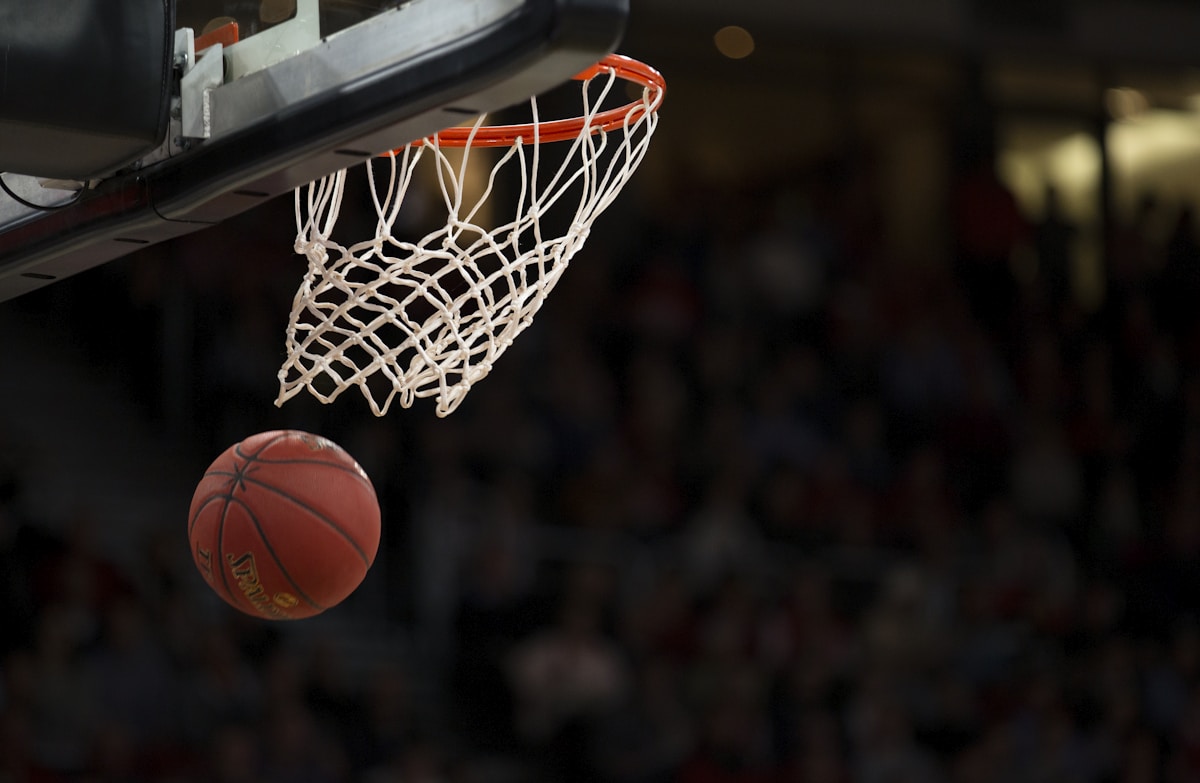
- Primary Signal: NBA Player Props and Pace: How Game Speed Changes Points, Rebounds, and Assists Lines
- Overview: A player's season average hides the biggest prop factor: pace. This guide explains how possessions, opponent speed, and rest days move points, rebounds, and assists lines, and how ...
- Verification: Analyzed and compiled by SportsBet Insights Live editorial monitoring desk.
Most NBA prop bettors start with a player's season average, and that is exactly why they lose. Averages ignore pace, and pace decides how many chances a player gets to score, rebound, and pass. A game with 110 possessions gives every player roughly 10 percent more opportunity than a game with 100 possessions, and that gap moves lines more than form does.
Pace is simply possessions per 48 minutes. Fast teams like those that push after every rebound create more shots, more rebounds, and more assists for both teams. Slow teams walk the ball up, run the clock, and shrink the game. When two fast teams meet, totals rise, and prop lines for secondary players often lag behind the adjustment.
The first check is the combined pace of both teams. Average the two teams' pace numbers and compare the result with the league average of around 100 possessions. A combined pace five possessions above average is a pace-up spot, and it favours overs on counting stats, especially for players whose minutes are secure.
Opponent pace matters as much as a player's own team pace. A slow team playing a fast opponent gets dragged into a faster game than usual, because the opponent creates extra possessions even when the slow team scores. Conversely, a fast team facing a grind-it-out opponent sees its possessions cut, which caps every player's ceiling.
Minutes are the multiplier on pace. A player averaging one point per minute gains about five points if his minutes jump from 25 to 30, and pace adds on top of that. Check rotation news before betting: a starter returning from injury steals minutes from a bench player whose prop line may still reflect the bigger role.
Rebounds respond to pace differently from points. More possessions mean more missed shots, which mean more rebound chances, but a fast opponent that shoots well leaves fewer misses to grab. Check opponent field-goal percentage and rebound rate together: a team that misses often and rebounds poorly is the ideal rebound-prop opponent.
Assists follow pace and shooting quality together. A playmaker can only record an assist if a teammate finishes, so a point guard on a cold-shooting team posts fewer assists even in a fast game. Look at potential assists, a stat that counts passes leading to shots, to separate a playmaker's creation from his teammates' finishing.
Rest and schedule spots amplify pace effects. Teams on the second night of a back-to-back play slower and shoot worse, while a rested team facing a tired one pushes tempo and builds leads. Blowout risk follows: overs on stars are dangerous when a favourite is likely to sit its starters in the fourth quarter.
Line movement tells you when the market has caught up. If a prop line opens at 24.5 points and moves to 26.5 after pace-friendly news, the value is gone, and chasing the over at the new number is a different bet. Compare lines across books, because a half-point difference on a prop is often the whole edge.
A practical routine keeps this manageable. Check pace for both teams, confirm minutes and injuries, look at the opponent's defensive rating by position, and only then look at the line. If your projection differs from the line by more than one possession's worth of production, you have a case; if it matches, pass.
Bankroll discipline matters more in props than in spreads, because props are volatile and tempting. Bet a consistent small percentage of your bankroll, avoid stacking five correlated overs from the same game, and track your results by market so you learn whether you actually beat pace props or just enjoy them.
Pace is not a magic system, but it is the single most underused lens in NBA props. Bettors who check pace, minutes, and matchup before the line will consistently find better spots than bettors who trust averages, and over a season that discipline is the difference between entertainment and profit.
📖 Continue Reading the Full Story
Continue reading this article on SportsBet Insights Live.
⚡ Access Full Content NowMore from SportsBet Insights Live



 ⚽ Global Football Odds
Speed & Latency Secrets: Parlay Calculator — Gecombineerde Odds en Uitbetaling (Day 23 Guide)
Achieving sub-second response times using Parlay Calculator — Gecombineerde Odds en Uitbetaling on Global Foot...
⚽ Football2026 Live
Speed & Latency Secrets: Calculadora de Parlay — Odds Combinadas e Prêmios (Day 23 Guide)
Achieving sub-second response times using Calculadora de Parlay — Odds Combinadas e Prêmios on Football2026 Li...
🌍 Soccer2026 Global
Speed & Latency Secrets: Calculadora de Parlay — Odds Combinadas y Premios (Day 23 Guide)
Achieving sub-second response times using Calculadora de Parlay — Odds Combinadas y Premios on Soccer2026 Glob...
 🏏 RC11 Fantasy & Cricket
Troubleshooting Guide: Typing Speed Test — WPM & Accuracy Test Online (Day 12 Guide)
Diagnosing hidden issues using the Typing Speed Test — WPM & Accuracy Test Online on RC11 Fantasy & Cricket. D...