How to Read UFC Fight Odds Through Styles, Not Just Records
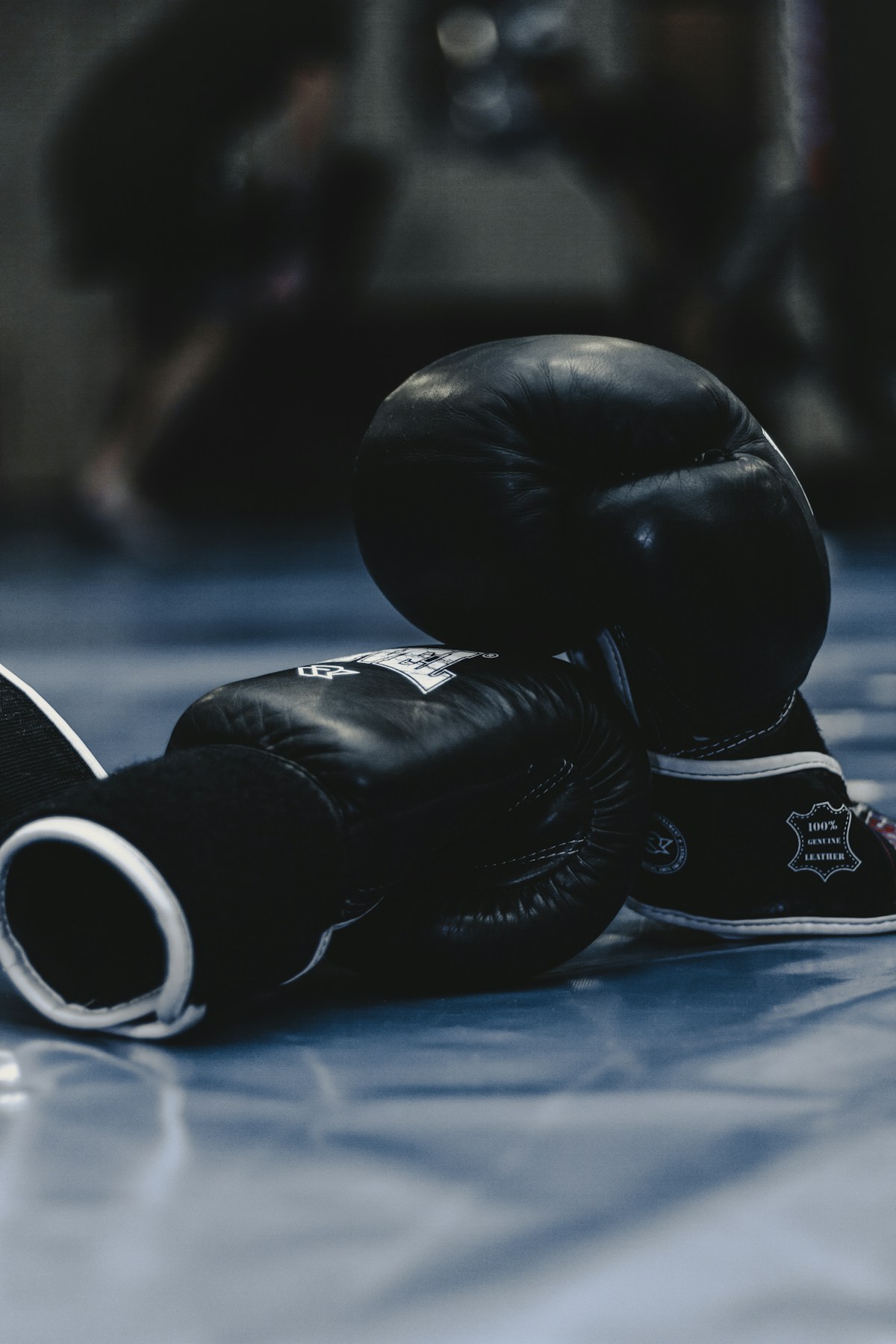
- Primary Signal: How to Read UFC Fight Odds Through Styles, Not Just Records
- Overview: UFC records tell only part of the story. Learn how striking, wrestling, grappling and pace shape fight odds, and how to read a matchup beyond the win-loss column....
- Verification: Analyzed and compiled by SportsBet Insights Live editorial monitoring desk.
A fighter with an impressive win-loss record is not automatically the better bet. Records hide the quality of opposition, the way fights were won, and how long ago the key wins happened. A fighter who built a record against lower-ranked opponents may look dominant on paper but has never been tested against the kind of athlete they face next. Conversely, a fighter with a few losses against elite competition may be far more dangerous than a glossy record suggests.
Finishing rate, decision history, and the rounds in which fights ended all add context. A striker who has won most fights by early knockout is a different proposition from a grinder who wins decisions by control and volume. If the next opponent is durable and hard to finish, the knockout artist's usual path to victory narrows. If the opponent fades late, the grinder's path widens. Odds reflect the market's view of all this, but they do not always weight style correctly, which is where careful reading helps.
Age, activity, and weight-class history matter too. A fighter moving up in weight may carry more power but face bigger, stronger opponents. A fighter returning after a long layoff may be rusty, even if the record looks unchanged. None of these factors alone decides a fight, but together they help you judge whether the odds are giving you a fair reflection of the matchup or leaning too heavily on a headline record.
Start with striking: who lands cleaner, who defends better, and who handles pressure? A volume striker who throws constantly can overwhelm a patient counter-puncher, but can also walk into counters if their defence is loose. A powerful but low-volume striker needs openings, and an opponent who refuses to give them can neutralise that power over three rounds. Look at striking defence and absorbed strikes, not just highlight knockouts.
Next, ask about wrestling and control. Can one fighter reliably take the other down, and what happens if they do? Some fighters are dangerous from their backs with submissions, so a takedown is not automatically a winning position. Others are smothering on top and can drain an opponent's energy even without finishing. If a striker has strong takedown defence, a wrestler's main weapon may be blunted, and the fight may stay standing where the striker is comfortable.
Then consider grappling exchanges and cardio. A submission specialist needs entries and scrambles, and a cautious opponent who avoids the ground can limit those chances. Cardio decides what happens when a fight goes deep: a fighter who pushes a hard pace early may fade, while a fighter who starts slowly may grow into the fight. Finally, ask about durability and composure. How does each fighter react when hurt, tired, or losing rounds? Those moments often decide close fights more than any single technique.
Once you have a style picture, compare it with the odds. If the favourite's path to victory depends on one weapon, such as a single takedown game, and the underdog has a clear answer to that weapon, the underdog may be more live than the price suggests. If the favourite has multiple paths, such as strong striking plus reliable wrestling, the price may be justified even if it looks short. The question is not who is better in general, but who has more ways to win this particular matchup.
Think in terms of scenarios rather than a single prediction. List two or three realistic ways each fighter wins, and estimate, in plain language rather than false precision, which scenarios feel most likely. A fight that could plausibly end by knockout, submission, or decision is harder to price than a fight with one obvious script, and that uncertainty should make you more cautious with stake size. If you cannot explain why the odds are wrong in a sentence, you may not have an edge at all.
Live odds and late money can also reveal information, such as a weight-cut problem or a late change in camp news, but they can also reflect public money following a popular name. Treat a big odds move as a prompt to re-check the news, not as proof that the move is correct. Your own style read should remain the anchor, with market moves as a secondary check.
Before you bet, run through a short checklist: recent opponents and how those fights went, striking and grappling strengths on both sides, takedown offence versus defence, cardio over the scheduled distance, and any reliable news about injuries, weight cuts, or camp changes. If a key piece of information is missing, reduce your stake or skip the fight entirely. There is always another card, and skipping an unclear fight is a valid decision.
Keep stakes modest and consistent, and record your reasoning so you can learn from both wins and losses. Over time you will see which style reads you judge well and which ones mislead you. That record is more valuable than any single winning bet, because it sharpens your reading for the next matchup.
Bet only what you can afford to lose, set limits before the event, and do not chase losses by betting bigger on the main event after an early loss. If betting stops being enjoyable, use your bookmaker's responsible-gambling tools and take a step back.
📖 Continue Reading the Full Story
Continue reading this article on SportsBet Insights Live.
⚡ Access Full Content NowMore from SportsBet Insights Live



 ⚽ Global Football Odds
Comparative Review: Calculadora de Parlay — Odds Combinadas e Prêmios (Day 11 Guide)
Why our free online Calculadora de Parlay — Odds Combinadas e Prêmios on Global Football Odds. Discover essent...
🏆 2026 Football Online
Comprehensive Guide: Calculadora de Parlay — Odds Combinadas y Premios (Day 1 Guide)
Everything you need to know about Calculadora de Parlay — Odds Combinadas y Premios on 2026 Football Online. D...
⚽ Football2026 Live
Strategic Positioning: Parlay Calculator — Gecombineerde Odds en Uitbetaling (Day 26 Guide)
Gaining a competitive advantage through Parlay Calculator — Gecombineerde Odds en Uitbetaling on Football2026 ...
📋 Football2026 Tactics
Automation & Integration: Parlay Calculator — Gecombineerde Odds en Uitbetaling (Day 27 Guide)
Streamlining daily analytics with our Parlay Calculator — Gecombineerde Odds en Uitbetaling on Football2026 Ta...